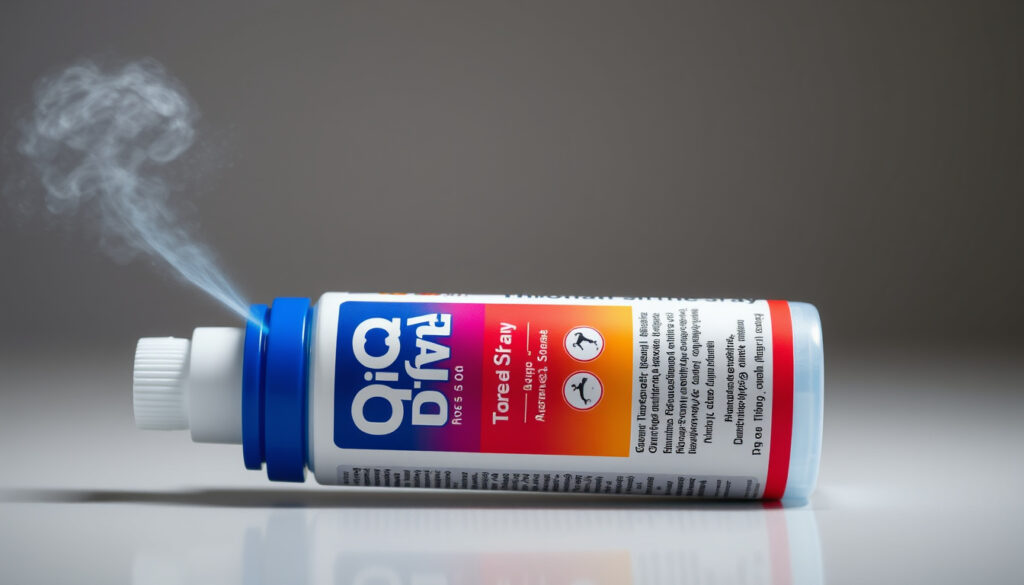
Difflam Throat Spray – Complete Guide to Uses Dosage Safety
Difflam throat spray is a locally acting analgesic and anti-inflammatory medication containing benzydamine that provides targeted relief for painful conditions affecting the mouth and throat. Unlike systemic pain relievers, this spray works directly at the site of application, making it a popular choice for those seeking rapid, focused treatment for sore throat and related symptoms.
Available without prescription in most countries, Difflam throat spray offers a convenient option for managing conditions ranging from ordinary sore throats to mouth ulcers. The medication comes in different strengths and formulations, allowing for tailored treatment approaches depending on the patient’s age and specific condition.
Understanding how Difflam works, proper dosage instructions, safety considerations, and where to obtain the product can help users make informed decisions about incorporating this medication into their treatment regimen. This guide covers essential information drawn from official medical sources to provide a comprehensive overview of Difflam throat spray.
What Is Difflam Throat Spray and What Is It Used For?
- Dual-action formula works as both an anti-inflammatory and topical anesthetic to address multiple aspects of throat discomfort
- Fast onset of action typically provides relief within 3 to 5 minutes of application
- Localized treatment targets symptoms directly at the site of pain rather than affecting the entire body
- Suitable for adults and children over 6 years when used according to age-appropriate dosing guidelines
- Multiple formulation options include spray, mouthwash, lozenges, and gel to accommodate different preferences and conditions
- Generally well-tolerated with side effects being rare and typically mild when they do occur
| Fact | Details |
|---|---|
| Onset Time | 3 to 5 minutes |
| Duration of Relief | 1 to 3 hours per dose |
| Minimum Age (Spray) | 6 years and older |
| Available Strengths | 0.15% and 0.3% benzydamine |
| Typical Price Range | $10 to $20 USD |
| Prescription Required | No (OTC in most regions) |
| Drug Interactions | None known |
| Maximum Daily Applications | Up to 12 times depending on formulation |
Conditions Treated with Benzydamine
Benzydamine, the active ingredient in Difflam throat spray, is indicated for a range of painful inflammatory conditions affecting the oral and pharyngeal regions. According to the NHS guidance on benzydamine, this medication effectively addresses several common conditions.
Sore throat represents the most frequently treated condition, whether arising from viral infections, environmental factors, or minor irritations. Mouth ulcers, including those caused by minor trauma or stress, respond well to targeted benzydamine application. The medication also proves useful for teething discomfort in appropriate age groups and for managing the oral mucositis that can occur during radiation therapy in medical settings.
Acute pharyngitis, or inflammation of the pharynx, responds particularly well to Difflam spray because the medication can reach the affected tissue directly. By reducing both pain and inflammation simultaneously, benzydamine addresses the twin symptoms that make pharyngitis particularly uncomfortable.
How Benzydamine Works
Benzydamine belongs to a class of medications known as non-steroidal anti-inflammatory drugs (NSAIDs), though its mechanism differs from many traditional NSAIDs. Rather than working systemically throughout the body, benzydamine acts locally at the site of application. According to Weldricks Pharmacy’s explanation of how Difflam works, the medication stops pain and inflammation directly where the spray contacts the tissue.
This local action means that the medication concentrates where it is needed most rather than being distributed throughout the body. The dual anti-inflammatory and analgesic properties address both the underlying inflammation and the associated pain simultaneously, providing more comprehensive relief than treatments that target only one symptom.
Most users experience noticeable relief within 3 to 5 minutes of applying Difflam throat spray. The numbing effect provides relatively quick comfort for sore throat pain, though individual responses may vary based on the severity of the condition and personal sensitivity to the medication.
How to Use Difflam Throat Spray: Dosage and Instructions
Adult Dosage Guidelines
Proper application technique and adherence to recommended dosages ensure both safety and effectiveness when using Difflam throat spray. The NHS provides clear dosage recommendations that vary based on the strength of the formulation.
For the standard 0.15% spray concentration, adults should apply 4 to 8 sprays every 1.5 to 3 hours as needed. The higher 0.3% concentration requires fewer sprays, with 2 to 4 sprays every 1.5 to 3 hours providing equivalent or enhanced relief. Some alternative sources recommend 4 to 8 puffs every 2 to 3 hours for adults, reflecting minor variations in guidance across different regions.
Application Technique
Correct application method maximizes the medication’s effectiveness while minimizing waste and discomfort. Hold the bottle upright with the spray arm pointed toward the affected area in the mouth or throat. Press the plunger firmly to release the medication directly onto the painful tissue, then swallow gently to allow the spray to coat the affected regions.
When using the spray for the first time, or after a period of non-use, it is important to prime the pump by pointing the spray away from your face and pressing until a fine mist appears. This ensures proper dosing for subsequent applications.
Children’s Dosage Guidelines
| Age Group | Spray Strength | Dosage |
|---|---|---|
| 6 to 12 years | 0.15% | 4 sprays every 1.5 to 3 hours |
| 6 to 12 years | 0.3% | 2 sprays every 1.5 to 3 hours |
| Under 6 years | Not recommended | Doctor or pharmacist must determine dosage based on weight |
Children aged 6 years and older can use Difflam spray at reduced dosages compared to adults. However, the spray is not recommended for children under 6 years of age due to insufficient clinical experience in this age group. For younger children requiring treatment, a doctor or pharmacist must determine an appropriate dosage based on the child’s weight and individual circumstances.
Other Difflam Formulations
Difflam is available in several formulations besides the spray, each with specific usage instructions. The mouthwash format involves using 15ml every 1.5 to 3 hours, gargling for 20 to 30 seconds before spitting out without swallowing. According to Patient.info’s benzydamine guide, children 12 years and under should not use the mouthwash formulation.
Lozenges offer another option, particularly suitable for adults and children 6 years and older. One lozenge can be taken three times daily, allowing it to dissolve slowly in the mouth without chewing. Users should not exceed 12 lozenges per day, and lozenges should not be used for more than seven days without medical consultation.
For children experiencing sore throat, ibuprofen or paracetamol should be considered as first-line analgesics before using benzydamine spray. Medical guidance recommends these standard pain relievers as the initial approach to managing childhood throat discomfort.
Difflam Throat Spray Side Effects and Safety Precautions
Common and Rare Side Effects
Difflam is generally well tolerated, with most users experiencing no adverse effects. According to official product documentation, reported side effects are typically minor and localized to the area of application.
Local stinging or irritation may occur, particularly with the mouthwash formulation. If this happens, diluting the mouthwash with an equal amount of water before use often reduces the discomfort without significantly affecting efficacy.
Hypersensitivity reactions are very rare but have been documented and include pruritis (itching), rash, urticaria (hives), and photodermatitis. In rare cases, more serious reactions such as laryngospasm or bronchospasm have been reported. Users experiencing any signs of allergic reaction should discontinue use immediately and seek medical attention.
Contraindications
Difflam throat spray should not be used by individuals with a known allergy to benzydamine or any other components listed on the product packaging. The Health Products Regulatory Authority emphasizes that hypersensitivity to the active ingredient or excipients represents an absolute contraindication to use.
Safety During Pregnancy
The safety of benzydamine during pregnancy has not been conclusively established. According to official patient information leaflets, the medication is classified as Category B2, meaning animal studies have shown no evidence of fetal damage, but sufficient clinical data from human trials is not available.
Given this uncertainty, pregnant women or those who may become pregnant should consult their physician before using Difflam. The medication should not be used during pregnancy unless considered essential by a qualified healthcare provider who has assessed the potential risks and benefits.
Safety During Breastfeeding
Use of benzydamine during lactation has not been established in humans. Product labeling indicates that breastfeeding mothers should use caution and only proceed with Difflam use following doctor approval. The potential for the medication to pass into breast milk remains unknown, warranting careful consideration before use.
Important Precautions
- Avoid contact with eyes when using the spray. If accidental eye contact occurs, wash immediately with cold water.
- If a sore throat involves or may involve bacterial infection, appropriate antibacterial therapy should be considered alongside Difflam treatment.
- There are no known drug interactions with benzydamine, making it relatively safe to use alongside most other medications.
- Do not use lozenges for more than seven consecutive days without medical supervision.
Never spray Difflam in or near your eyes. Medical guidance specifies that if spray accidentally contacts the eyes, they should be washed immediately with cold water and medical attention sought if irritation persists.
Where to Buy Difflam Throat Spray and Product Comparison
Availability and Purchasing Options
Difflam throat spray is available over-the-counter in most countries, making it accessible without a prescription from pharmacies, drugstores, and many retail outlets. The product can typically be found in the oral health or cold and flu sections of stores, often alongside other throat lozenges and pain relief options.
As an over-the-counter medication, Difflam does not require a prescription, though pharmacists may provide guidance on appropriate use. Online pharmacies and retailers also offer the product for home delivery, which can be particularly convenient for those managing ongoing throat conditions or preferring not to visit stores when unwell.
Comparing Difflam to Alternative Throat Treatments
Difflam occupies a distinct position among throat treatments due to its dual anti-inflammatory and analgesic properties. Many over-the-counter throat sprays provide only anesthetic effects, numbing the area without addressing underlying inflammation. Difflam’s benzydamine content works on both fronts simultaneously.
Compared to lozenges, the spray format offers more precise application and may provide faster relief since the medication is delivered directly to the affected tissue. Lozenges have the advantage of convenience and portability, making them suitable for use in situations where carrying and using a spray bottle would be impractical. For information on combining different pain relievers, you can read about paracetamol and ibuprofen together.
Traditional remedies such as salt water gargles and honey-based treatments remain popular alternatives. While these options can provide symptomatic relief, they generally lack the targeted anti-inflammatory action that benzydamine provides. Patients seeking specifically documented efficacy for inflammatory throat conditions may find Difflam a more evidence-based choice.
The Development of Benzydamine and Difflam
Benzydamine was first introduced in the 1970s as a topical anti-inflammatory agent. Its unique local-acting properties distinguished it from traditional systemic NSAIDs, opening new possibilities for treating inflammatory conditions affecting surface tissues.
- 1970s: Benzydamine introduced as a topical anti-inflammatory medication for localized pain and inflammation treatment
- 1980s: Difflam brand launched, establishing benzydamine as a consumer healthcare product under this recognizable name
- 1990s-2000s: Global expansion of availability across Europe, Asia-Pacific, and other regions
- 2020s: Expanded over-the-counter availability in additional countries, increasing accessibility for consumers worldwide
The Difflam brand became widely recognized for its effectiveness in treating oral and pharyngeal conditions. Over the decades, multiple formulations were developed to address different preferences and clinical situations, from the convenient spray format to mouthwashes and lozenges.
What Is Certain and What Remains Unclear About Difflam
| Established Information | Information That Remains Unclear |
|---|---|
| Effective for symptomatic relief of sore throat and mouth ulcers based on clinical evidence | Long-term efficacy for chronic conditions has not been extensively studied |
| Fast onset of action within 3 to 5 minutes | Comparative effectiveness against newer competing products lacks comprehensive head-to-head studies |
| Safe for children 6 years and older at appropriate dosages | Precise optimal dosing frequency for individual patients varies |
| Generally well-tolerated with minor, rare side effects | Effects of repeated daily use over extended periods require further investigation |
| No known drug interactions | Patient satisfaction and real-world effectiveness data beyond clinical trials |
| Localized action reduces systemic exposure | Availability and pricing across different countries and retailers |
While clinical evidence supports Difflam’s effectiveness for symptomatic relief of inflammatory throat and mouth conditions, certain aspects of the medication’s profile remain less documented. Long-term studies specifically examining extended daily use are limited, and most research has focused on short-term treatment of acute conditions.
Understanding Difflam’s Role in Throat Treatment
Difflam throat spray represents a valuable option in the range of available throat treatments. Its dual-action formula distinguishes it from simple anesthetics, addressing both pain and inflammation simultaneously. The localized nature of the medication reduces concerns about systemic effects that accompany some oral medications.
For patients with sore throats caused by viral infections, minor injuries, or inflammatory conditions, Difflam can provide meaningful relief while the underlying condition resolves naturally. The variety of available formulations allows users to select the delivery method best suited to their specific situation and preferences.
However, Difflam is not appropriate for every situation. Bacterial infections requiring antibiotics cannot be treated with Difflam alone, and persistent symptoms lasting more than a week should prompt medical consultation. Understanding when Difflam is appropriate and when professional medical evaluation is needed helps patients use the medication safely and effectively.
Medical Sources and Professional Guidance
Information about Difflam throat spray comes from multiple authoritative sources that provide healthcare professionals and patients with evidence-based guidance on the medication’s use, safety, and effectiveness.
The NHS provides detailed guidance on benzydamine dosages, administration techniques, and safety information, representing a cornerstone of clinical practice information for this medication in the United Kingdom.
— NHS Benzydamine Information
Pharmacy guidance from professional dispensers like Weldricks offers practical information about how Difflam works at the site of application, helping patients understand why the medication provides targeted relief for throat and mouth conditions.
— Weldricks Pharmacy Educational Resources
Patient information leaflets distributed with prescription medications provide regulatory-approved safety information, including contraindications, precautions, and guidance for special populations including pregnant and breastfeeding patients.
— Official Patient Information Leaflets
Users seeking the most current and region-specific information should consult their local pharmacist or healthcare provider, as availability, specific formulations, and regulatory guidance may vary between countries. For detailed information specific to pregnancy, pediatric use, or existing health conditions, professional medical advice is essential.
Summary
Difflam throat spray offers an effective, accessible option for managing painful inflammatory conditions of the mouth and throat. Containing benzydamine, a locally acting anti-inflammatory and analgesic agent, the spray provides relief within minutes of application and can be used by adults and children over 6 years at appropriate dosages. Multiple formulations including spray, mouthwash, lozenges, and gel accommodate different needs and preferences.
The medication is generally well tolerated with few reported side effects, though precautions apply for pregnant and breastfeeding patients, young children, and individuals with known allergies. Understanding proper dosage, application technique, and when medical consultation is warranted ensures safe and effective use. For persistent throat symptoms or uncertainty about suitability, consulting a healthcare professional provides personalized guidance tailored to individual circumstances.
Those interested in comparing different approaches to sore throat management may find additional information in our guide to Middle Head Drowning Signs for related health topics, or exploring United Health Share Price for context on healthcare industry considerations.
Frequently Asked Questions
Does Difflam throat spray numb the throat?
Yes, Difflam provides a numbing effect alongside its anti-inflammatory action. The benzydamine in Difflam acts as a topical analgesic, providing relatively quick relief from throat pain while simultaneously reducing inflammation at the site of application.
How does Difflam compare to other throat spray brands?
Difflam stands apart from many other throat sprays due to its dual-action formula. While many sprays provide only anesthetic numbing, Difflam addresses both pain and inflammation through its benzydamine content. This makes it potentially more effective for inflammatory throat conditions.
How long does Difflam throat spray take to work?
Difflam typically begins working within 3 to 5 minutes of application. Relief from pain and discomfort is usually noticeable quickly, though the duration of effect varies between individuals and conditions, generally lasting 1 to 3 hours per dose.
Can I use Difflam throat spray while pregnant?
The safety of Difflam during pregnancy has not been established. Since benzydamine is classified as Category B2 with insufficient human clinical data, pregnant women should consult their physician before using the medication.
What age can children start using Difflam throat spray?
Difflam throat spray is not recommended for children under 6 years of age. Children aged 6 to 12 years can use the spray at reduced dosages appropriate to their age group, while children under 6 require a doctor or pharmacist to determine suitable dosing.
Are there any drug interactions with Difflam?
There are no known drug interactions with benzydamine, making Difflam relatively safe to use alongside most other medications. However, always inform your pharmacist or doctor about all medications and supplements you are taking before starting any new treatment.
How many times per day can I use Difflam throat spray?
For the 0.15% spray, adults can use 4 to 8 sprays every 1.5 to 3 hours as needed. The HealthHub medication guide notes that applications can total up to 12 times per day depending on formulation and severity of symptoms.
Can I use Difflam mouthwash if the spray stings?
If you experience stinging from the mouthwash, you can dilute it with an equal amount of water before use. This often reduces the discomfort while maintaining adequate therapeutic effect for most users.
More related posts
 Ali Larter: Biography, Children, Net Worth, and Career Comeback
 Meghan and Harry News: Verified Facts and Latest Updates
 Todd Goldstein Retirement: Career, Family & What’s Next
 Cookie Monster: Biography, Facts, and Iconic Lines
 Dept Q Season 2: Renewal, Release Date, Cast & Book Adaptation
 Rani Mukerji: Child, Smoking, Relationships, Family Tree
 Ali Khamenei: Religion, Death, Successor, and Full Biography
 Jeff Bridges Health Journey: Lymphoma Recovery
