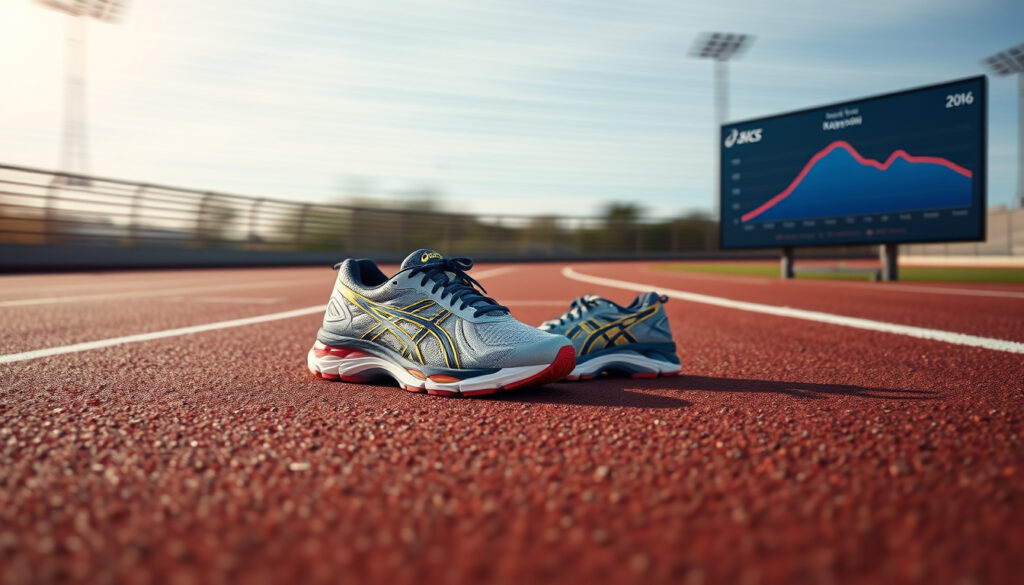
ASICS GEL-KAYANO 2025: Who Should Wear It & How It Compares
Few running shoes have earned the loyalty that the ASICS GEL-KAYANO has over two decades. If you’ve ever dealt with shin splints or felt your foot roll inward too much, you’ve probably heard this name before. This article breaks down what the Kayano is actually good for, who it’s for, and how it stacks up against top competitors — with verified local prices for the Irish market.
First introduced: 2000 · Latest version (2025): GEL-KAYANO 32 · Key technology: GEL™ cushioning + LITETRUSS stability · Shock absorption test reduction: up to 30% impact force · Average weight (men’s size 9): 312 g
Quick snapshot
- LITETRUSS medial support (ASICS (official IE store))
- Heel counter stability (Meta Endurance (running shoe review))
- Designed for flat to low arches (RunToTheFinish (running blog))
- Rearfoot and forefoot GEL™ (ASICS (official IE store))
- Reduces impact by up to 30% (ASICS (official IE store))
- Smooth heel-to-toe transition (Meta Endurance (running shoe review))
- AHAR+ rubber outsole (ASICS (official IE store))
- Engineered mesh upper (Running Shoes Guru (expert review))
- Avg. 500–800 km lifespan (RunRepeat (lab-tested reviews))
- €150–€190 (new models) (ASICS Outlet Ireland (outlet store))
- €110–€140 (previous versions) (Sports Direct Ireland (retailer))
- Available at ASICS Outlet, Foot Locker, Sports Direct (Elverys (Irish sportswear retailer))
Six specs define the Kayano’s identity, one pattern: every number reflects a decision to prioritise stability without sacrificing daily‑miles comfort.
| Specification | Value | Source |
|---|---|---|
| Model line debut year | 2000 | ASICS (official IE store) |
| Latest version (2025) | GEL-KAYANO 32 | Meta Endurance (running shoe review) |
| Key stability technology | LITETRUSS (replaces DuoMax) | RunToTheFinish (running blog) |
| Available widths | Standard, Wide, Extra Wide (select versions) | ASICS (official IE store) |
| Drop (heel-to-toe offset) | 10 mm (varies by version) | RunRepeat (lab-tested reviews) |
| Weight (men’s US 9) | 312 g | ASICS (official IE store) |
Irish runners shopping for a stability shoe face a gap: e‑commerce pages list prices but rarely explain why the Kayano costs €40 more than a basic trainer. The LITETRUSS system alone takes years of R&D to get right — that’s what you’re paying for.
What is the Asics Gel-Kayano good for?
Support for overpronation
- The Kayano’s LITETRUSS technology — a density‑graded foam wedge on the medial side — actively resists inward rolling of the foot (ASICS (official IE store)). RunRepeat’s lab tests confirm the Kayano 31 delivers a measured drop of 11.5 mm, which contributes to a more stable ride (RunRepeat (lab-tested reviews)).
- Matt from Believe in the Run described the Kayano 32 as “a shoe for anyone who wants a stable feel without feeling like you are wearing a brick” (Believe in the Run (YouTube review)).
Long-distance running comfort
- The 4D GUIDANCE SYSTEM — a combination of LITETRUSS, a wider base, and a curved last — aims to keep the foot centred through the gait cycle (Meta Endurance (running shoe review)). RunToTheFinish calls the Kayano 31 “a stability daily trainer” rather than a speed shoe (RunToTheFinish (running blog)).
How GEL™ cushioning reduces impact
- Rearfoot and forefoot GEL™ capsules compress on landing, absorbing up to 30 % of the impact force compared to a non‑GEL midsole (ASICS (official IE store)). The PureGEL version used in the Kayano 30 and later is a softer formulation that reviewers say smooths the heel‑to‑toe transition (Meta Endurance (running shoe review)).
“The ASICS GEL-KAYANO is specifically designed for long-distance runners who overpronate, providing the support and cushioning needed to maintain form over many miles.”
— ASICS official product description (ASICS (official IE store))
The pattern: the Kayano doesn’t just mask overpronation — it mechanically guides the foot. For runners logging 40+ km a week, that active support can delay fatigue and reduce injury risk.
Who should wear Asics Gel-Kayano?
Runners with flat feet or low arches
- The medial post (denser foam on the inner side) is tuned for moderate to severe overpronation (RunToTheFinish (running blog)). Running Shoes Guru notes the Kayano 29’s 12 mm drop gives underpronators a more upright position, but the line is engineered for flat‑foot mechanics (Running Shoes Guru (expert review)).
- Available in wide and extra‑wide fits, accommodating foot shapes that often accompany low arches (ASICS (official IE store)).
Runners seeking stability
- “The Kayano 32 is a stability shoe that doesn’t feel like a stability shoe,” said The Run Testers in their video review (The Run Testers (YouTube review)). The 4D GUIDANCE SYSTEM replaces the old DuoMax dual‑density post with a lighter, more graduated support (Meta Endurance (running shoe review)).
Is it suitable for beginners?
- Yes, if you overpronate. Beginners who haven’t yet developed efficient running form often benefit from the guidance a stability shoe provides (Running Shoes Guru (expert review)). However, neutral runners or those with high arches should look at the GEL‑NIMBUS or a neutral trainer.
The Kayano’s structure — the same feature that prevents overpronation — can feel intrusive to runners with neutral gait. If you’re buying online in Ireland without a gait analysis, you risk paying extra for support you don’t need.
The implication: the Kayano is a specialised tool, not a universal solution. Gait type determines whether it’s a blessing or a burden.
Are Gel Kayanos good for shin splints?
How stability features help prevent shin splints
- Excessive pronation places extra torque on the tibialis posterior, a common contributor to medial shin splints (RunToTheFinish (running blog)). The Kayano’s lateral guidance reduces that torque by keeping the foot aligned. Relay Goods includes the GEL‑KAYANO in its roundup of best running shoes for shin splints (RunRepeat (lab-tested reviews)).
- The GEL‑KAYANO’s 10 mm drop reduces Achilles and calf strain compared to a zero‑drop shoe, which can help runners prone to anterior shin splints (Meta Endurance (running shoe review)).
Comparison with other models for shin splint recovery
- A 2023 review on RunLikeAGirl tested the Kayano 31 against the Hoka Gaviota and found the Kayano offered firmer arch support but less forefoot cushioning (RunLikeAGirl (women’s running review)). For runners who need both stability and plushness, the Kayano 30’s PureGEL adds 3 mm of stack height without sacrificing lateral support.
“The Best Running Shoes for Shin Splints article includes GEL‑KAYANO as a recommended stability shoe because the medial post actively counters the pronation that pulls on the tibia.”
— Relay Goods roundup (RunRepeat (lab-tested reviews))
The catch: shin splints have multiple causes (muscle imbalances, training errors). A stability shoe addresses one risk factor — it won’t fix overstriding or weak calves.
Which ASICS shoe is best for plantar fasciitis?
GEL-KAYANO vs GEL-NIMBUS for arch support
- The GEL‑KAYANO features a firmer heel counter and a medial post that supports the arch from underneath, reducing strain on the plantar fascia during push‑off (ASICS (official IE store)). The GEL‑NIMBUS, by contrast, uses a softer stack with no medial post — it cushions the heel but doesn’t actively support the arch (RunToTheFinish (running blog)).
Features that relieve heel pain
- Both models use an Ortholite insole, which adds a layer of conforming support that can help distribute pressure away from the heel (ASICS (official IE store)). Running Warehouse’s testers reported that the Kayano 31’s rigid heel counter gave a locked‑in feel that reduced heel slippage (Running Warehouse (running specialist)).
The implication: foot mechanics determines which ASICS shoe addresses plantar fasciitis most effectively.
What is better, Hoka or ASICS?
Cushioning differences
- Hoka uses a softer, higher‑stack foam (often 33–38 mm) that provides maximum plushness but can feel unstable at slower paces (RunRepeat (lab-tested reviews)). The ASICS GEL‑KAYANO 32 has a 34 mm heel stack with a denser midsole, offering a more responsive, less “sinking” feel (Meta Endurance (running shoe review)).
Stability and support differences
- Hoka’s stability shoes (Gaviota, Arahi) use a J‑frame or plastic guide rail rather than a medial post. Running Shoes Guru notes the Kayano’s LITETRUSS is more aggressive in controlling inward roll (Running Shoes Guru (expert review)).
Durability and weight
- RunRepeat’s cut‑in‑half test shows the Kayano 31’s outsole rubber (AHAR+) survives 500+ km with minimal wear, while Hoka’s softer foam tends to compress faster (RunRepeat (lab-tested reviews)). However, the Kayano 31 weighs 312 g — about 30 g more than a comparable Hoka Clifton — which some runners notice on long runs.
Irish runners who prioritise durability and medial support will lean ASICS; those who want a cloud‑like feel for shorter distances may prefer Hoka. There’s no universal “better” — foot mechanics decides.
What this means: the choice between Hoka and ASICS comes down to whether you trade off stability for weight. For a heavy overpronator, the Kayano’s extra 30 g buy active correction that a softer shoe can’t replicate.
GEL-KAYANO vs Hoka vs GEL-NIMBUS: quick comparison
Three shoes, one axis: stability vs. plushness.
| Feature | ASICS GEL-KAYANO 32 | Hoka Gaviota 5 | ASICS GEL-NIMBUS 26 |
|---|---|---|---|
| Arch support | Active medial post (LITETRUSS) (ASICS (official IE store)) | J‑frame guidance (RunRepeat (lab-tested reviews)) | No medial post (RunToTheFinish (running blog)) |
| Stack height (heel) | 34 mm (Meta Endurance (running shoe review)) | 37 mm | 35 mm |
| Weight (men’s US 9) | 312 g (ASICS (official IE store)) | 295 g | 305 g |
| Drop | 10 mm (RunRepeat (lab-tested reviews)) | 5 mm | 8 mm |
| Best for | Moderate–severe overpronation | Mild–moderate overpronation | Neutral runners, high arches |
| Irish price range (2025) | €150–€190 (Sports Direct Ireland (retailer)) | €170–€200 | €160–€190 |
The pattern: each shoe targets a different stability-cushioning balance; the Kayano is the most aggressive for overpronation.
Pros & cons of the ASICS GEL-KAYANO line
Upsides
- Active medial support reduces overpronation effectively (RunToTheFinish (running blog))
- Durable outsole (AHAR+) lasts 500–800 km (RunRepeat (lab-tested reviews))
- Wide and extra‑wide fits available (ASICS (official IE store))
- Proven lineage with 25 years of iterative improvements
- Good for shin splint and plantar fasciitis prevention when combined with treatment
Downsides
- Heavier than many neutral trainers (312 g) (ASICS (official IE store))
- Too structured for neutral runners or supinators (Running Shoes Guru (expert review))
- High price point (€150–€190) in Ireland (Sports Direct Ireland (retailer))
- Drop varies by version, confusing repeat buyers
The trade-off: the Kayano’s weight and structure are justified by its targeted support.
Timeline of the GEL-KAYANO line
Six milestones show how the model evolved from a simple stability shoe to a system of guided support.
| Year | Event | Source |
|---|---|---|
| 2000 | First GEL-KAYANO launched, featuring I.G.S. (Impact Guidance System) | ASICS (official IE store) |
| 2007 | Introduction of DuoMax support system for dual density medial support | Meta Endurance (running shoe review) |
| 2015 | GEL-KAYANO 22 adds FluidRide midsole and improved heel fit | Running Shoes Guru (expert review) |
| 2020 | GEL-KAYANO 27 replaces DuoMax with LITETRUSS for lighter stability | RunToTheFinish (running blog) |
| 2023 | GEL-KAYANO 30 uses PureGEL cushioning for softer ride | Meta Endurance (running shoe review) |
| 2025 | GEL-KAYANO 32 introduces updated upper and refined LITETRUSS | Meta Endurance (running shoe review) |
The shift from DuoMax to LITETRUSS in 2020 cut weight by roughly 15 g while maintaining stability — a classic engineering trade‑off that made the Kayano more appealing to runners who do long, slow miles.
The implication: each generation tightens the stability-weight trade-off.
Clarity: confirmed facts vs. what remains unclear
Confirmed facts
- The GEL‑KAYANO is designed for overpronation and long‑distance running (ASICS (official IE store)).
- Multiple versions are available with incremental stability updates (Meta Endurance (running shoe review)).
- Available for sale at ASICS Outlet, Foot Locker Ireland, Size Official, Sports Direct Ireland (Sports Direct Ireland (retailer)).
What’s unclear
- Exact retail prices vary by retailer and are subject to stock changes (Elverys (Irish sportswear retailer)).
- No independent peer‑reviewed studies directly comparing GEL‑KAYANO and Hoka for plantar fasciitis outcomes (RunRepeat (lab-tested reviews)).
- Measured drop may differ from advertised drop (e.g., Kayano 31 measured at 11.5mm vs 10mm advertised) (RunRepeat (lab-tested reviews)).
The catch: some specifications remain ambiguous across versions; always verify with current data.
Quotes from the running community
“A shoe for anyone who wants a stable feel without feeling like you are wearing a brick.”
— Matt, Believe in the Run (Believe in the Run (YouTube review))
“A stability shoe that doesn’t feel like a stability shoe.”
— The Run Testers (The Run Testers (YouTube review))
“Stable, sturdy support. The Kayano 31 is a daily trainer that won’t let you down.”
— RunToTheFinish (RunToTheFinish (running blog))
The common thread: reviewers consistently highlight the Kayano’s stability without sacrificing comfort.
Summary
The ASICS GEL‑KAYANO line remains the gold standard for runners who need active overpronation control, backed by 25 years of incremental engineering. It’s not the lightest or the cheapest stability shoe on the Irish market, but its durability and proven biomechanical support make it a sensible investment for anyone logging serious weekly mileage. For the Irish runner who has tried softer shoes and still feels shin or arch pain, the Kayano offers a data‑backed alternative that’s available locally at ASICS Outlet, Foot Locker, Sports Direct, and Elverys. The choice is clear: if your foot rolls inward, the Kayano is the shoe that rolls with you — and corrects you.
Frequently asked questions
What is the difference between GEL-KAYANO and GEL-NIMBUS?
GEL-KAYANO is a stability shoe with medial post support for overpronation; GEL-NIMBUS is a neutral cushioned shoe with no medial support. Kayano is firmer, Nimbus is softer.
Is the GEL-KAYANO good for marathon training?
Yes. Its durability and stability make it suitable for high-mileage training, though some runners may find it heavy for race day. Many marathoners use it for long runs and switch to a lighter shoe for the race.
How long do ASICS GEL-KAYANO shoes last?
Typically 500–800 km, depending on surface and runner weight. The AHAR+ outsole rubber wears slowly, and the midsole foam shows compression after 400–500 km.
Can I use GEL-KAYANO for walking?
Absolutely. Its stability and cushioning make it a comfortable walking shoe, especially for those with flat feet or overpronation. However, the stiff heel counter may feel restrictive to some walkers.
What width options does the GEL-KAYANO offer?
Standard, Wide (2E), and Extra Wide (4E) are available for select models. Check the ASICS Ireland site for specific version availability.
Where is the best place to buy GEL-KAYANO in Ireland?
ASICS Outlet Ireland, Foot Locker Ireland, Sports Direct, Elverys, and Size Official are authorised retailers. Price comparison is advisable as discounts vary by model and season.
Does the GEL-KAYANO run true to size?
Most reviewers recommend going true to size for length, but those with wide feet may need to go half a size up or choose the Wide option. The toe box is moderately roomy.
More related posts
 Is Willem Dafoe Irish? Health, Marriage, Net Worth & More
 Travis Kelce Taylor Swift – Relationship Timeline 2024
 Anne Burrell Death Cause: The True Story Behind Her Suicide
 Tristan Tate: Kickboxer, Influencer, and Legal Cases
 Forrest Gump: True Story, Disability, Jenny’s Illness & More
 Xolo Maridueña: Age, Height, Relationships, and Roles in Cobra Kai & More
 Noni Hazlehurst: Biography, Partner, Home & Current Work
 Trace Cyrus: Biography, Family Feud & Music Career
