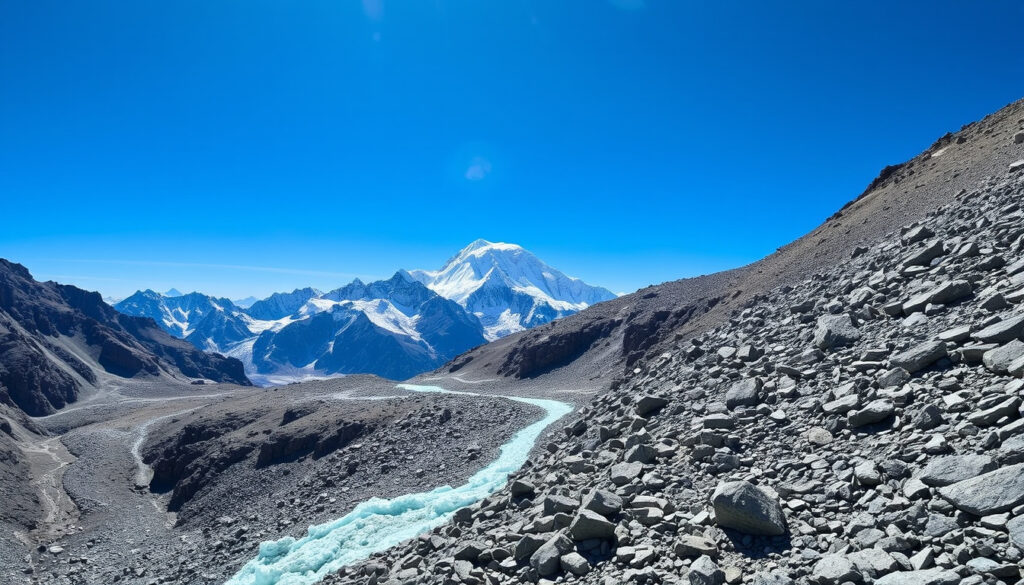
Everest Base Camp Trek: Difficulty, Costs & Risks
Everest Base Camp trek sits on the bucket list of millions, but only a fraction actually lace up their boots. If you’ve ever caught yourself eyeballing a photo of those prayer flags flapping against the Khumbu Glacier and wondering “Could I do that?”, you’re in the right place. This guide breaks down the real difficulty, honest costs, and actual risks so you can decide if this is your next adventure — not a marketing brochure.
Elevation of Everest Base Camp: 5,364 m (17,598 ft) · Average trekking duration: 12–16 days · Total walking distance (round trip): 130 km · Typical guided trek cost: $1,200–$2,500 USD · Success rate for trekkers: ~90%
Quick snapshot
- The trek spans 12–16 days through stunning Himalayan scenery (Nepal Everest Base Camp (trekking operator))
- Daily walks of 5–7 hours on rugged trails (Nepal Guide Info (local cost guide))
- Sleep at teahouses with basic amenities (Satori Adventures (FAQ resource))
- Reach Everest Base Camp at 5,364 m (Nepal Everest Base Camp) (Nepal Everest Base Camp (trekking operator))
- Guided package: $1,200–$2,500 (Green Valley Nepal Treks (package example))
- Flights to Lukla: $150–$200 round trip (Freewheeling Kiwi (cost blog))
- Permits: $30–$50 (Satori Adventures) (Green Valley Nepal Treks (package example))
- Gear rental: $100–$200 (Freewheeling Kiwi) (Green Valley Nepal Treks (package example))
- Acclimatize properly – take rest days (Sherpa Expedition & Trekking (altitude guide))
- Hydrate and avoid alcohol (Breeze Adventure (altitude guidance))
- Hire a reputable guide (Satori Adventures) (Sherpa Expedition & Trekking (altitude guide))
- Get travel insurance with helicopter evacuation (Haven Holidays Nepal (altitude sickness guide))
- Start training months in advance – hiking and cardio (Alpine Ramble (difficulty guide))
- Prepare for altitude symptoms (Seattle Bred (first-person account))
- Pack light but warm clothing (Nepal Everest Base Camp) (Alpine Ramble (difficulty guide))
- Consider a group tour for support (Nepal Hiking Team (group package info))
Six key numbers define the Everest Base Camp trek, from elevation to duration:
| Metric | Value | Source |
|---|---|---|
| Everest Base Camp elevation (South) | 5,364 m (17,598 ft) | Nepal Everest Base Camp |
| Starting point elevation (Lukla) | 2,860 m (9,383 ft) | Nepal Everest Base Camp |
| Total trek distance | 130 km round trip | Freewheeling Kiwi |
| Recommended trekking months | March–May, September–November | Satori Adventures |
| Typical guided group size | 8–12 trekkers | Nepal Hiking Team |
| Highest point on the trek | Kala Patthar 5,545 m (18,192 ft) | Nepal Everest Base Camp |
How hard is it to trek to Everest Base Camp?
Can a beginner trek to Everest Base Camp?
- The trek is rated moderate — no technical climbing required (Nepal Everest Base Camp).
- Beginners consistently complete it with proper preparation — some operators report success rates above 95% for first-timers (Haven Holidays Nepal).
The short answer: yes — if you train and respect the altitude. The trail itself is a well-trodden path of stone steps, suspension bridges, and forest trails. The real test is walking 5–7 hours day after day while your body struggles for oxygen above 3,500 m. Most trekkers with average fitness who acclimatise properly reach Base Camp (Alpine Ramble).
What fitness level is required?
You need the cardiovascular endurance to handle 5–7 hours of walking each day, sometimes on steep ascents. A typical day gains 500–800 m in elevation (Nepal Guide Info). Many successful trekkers train with 10 km rucksack hikes on hilly terrain for 3–4 months beforehand. A runner or regular cyclist often adapts faster than someone who is just “strong” in the gym.
How much does it cost to climb to Everest Base Camp?
What is included in guided trek packages?
A typical all-inclusive guided package from a Nepal-based agency costs between $1,200 and $2,500 per person, covering permits, teahouse accommodation (full-board meals), a licensed guide, porters, and internal flights from Kathmandu to Lukla. For example, one 14-day package is priced at $1,195–$1,299 for 2026–2027 departures (Green Valley Nepal Treks). A 16-day package from another operator starts around $1,525 (Nepal Hiking Team).
How to save money on the trek
- Go independent: Nepali nationals and experienced trekkers can cut costs by arranging their own permits (Sagarmatha National Park fee ~$30, TIMS card ~$20) and booking accommodation locally.
- Travel in low season: Winter (Dec–Feb) and monsoon (June–Aug) see lower package prices, but weather risks increase.
- Watch for hidden costs: Tips for guide and porter (standard ~10% of trek price), gear rental, and personal expenses add $200–$400 (Freewheeling Kiwi).
Paying for a reputable guide removes logistical stress and ensures proper acclimatisation, but independent Nepali trekkers can complete the trek for as little as NPR 70,950 (~$540) per person with full board (Nepal Guide Info). Your choice depends on your risk tolerance and experience.
The implication: cost should not be the sole factor – safety and support are worth the premium for first-timers.
How many hours of walking is Everest Base Camp?
What is a typical day itinerary?
Most days involve 5–7 hours of actual walking, starting early (around 7 AM) to reach the next teahouse by lunch or mid-afternoon. A few days stretch to 8 hours, such as the climb to Kala Patthar or the long descent from Lobuche to Dingboche (Nepal Guide Info). The famous “2 PM rule” — stop early enough to rest before dusk — is standard practice to avoid walking in the dark and to allow acclimatisation.
How many days is the trek?
The standard round-trip itinerary spans 12–16 days, covering roughly 130 km (Nepal Everest Base Camp). That includes 2–3 acclimatisation days in Namche Bazaar and Dingboche — mandatory for safety, not optional rest days.
Why this matters: knowing the daily walking load helps you gauge whether your fitness level matches the demands before you book. If you can comfortably handle a 7-hour hike on rolling terrain with a 10 kg pack, you’re in the ballpark.
How many people fail Everest Base Camp?
What are the main reasons for failure?
Reportedly, the success rate for guided trekkers hovers around 90% (Haven Holidays Nepal). The roughly 10% who don’t finish typically turn back due to:
- Acute mountain sickness (AMS): headache, dizziness, nausea — the most common cause (Seattle Bred).
- Physical exhaustion or injury: twisted ankles, strained knees, or simply underestimating the cumulative fatigue (Alpine Ramble).
- Illness: gastrointestinal bugs from contaminated water or food are common.
How to increase your chances of success
- Train specifically for multi-day hiking with a loaded daypack.
- Build in an extra acclimatisation day if your itinerary is on the shorter side.
- Stay hydrated, avoid alcohol, and sleep low after hiking high (Sherpa Expedition & Trekking).
Failure is rarely about the trail itself. Nearly every turn-back is about going too high too fast, or ignoring early warning signs. The trekkers who succeed are the ones who treat rest days as non-negotiable and listen to their bodies.
The catch: even minor symptoms can escalate, so descending early is the only safe move.
What are the biggest risks at base camp?
How dangerous is altitude sickness?
Altitude sickness is the primary risk factor on the trek. Above 3,000 m, oxygen saturation can drop dramatically: at Base Camp (5,364 m), normal readings range 75–85% — anything below 75% signals danger and requires immediate descent (Breeze Adventure). Symptoms of AMS include headache, fatigue, dizziness, nausea, rapid pulse, vomiting, and difficulty sleeping (Seattle Bred). Severe cases can progress to high-altitude cerebral or pulmonary edema (HACE/HAPE), which can be fatal within hours if descent is delayed.
What are the other hazards?
- Weather: The trail passes through microclimates; afternoon snow or rain is common even in peak season, making trails slippery.
- Falls: The descent is often trickier than ascent — tired legs on rocky steps lead to ankle twists and knee injuries.
- Khumbu Icefall: For those continuing beyond Base Camp to climb Everest, the icefall is the deadliest section. But trekkers turning around at Base Camp are not exposed to it.
- Helicopter evacuation cost: A rescue from above Namche can cost $3,000–$5,000. Travel insurance with helicopter coverage is mandatory, not optional (Haven Holidays Nepal).
Even a straightforward case of AMS can spiral into HACE within hours. The only effective treatment is descending — and that requires both the physical ability to walk down and the insurance to afford a helicopter if you can’t. Prepare for both.
The takeaway: altitude is the one risk you cannot negotiate with – plan for it or don’t go.
Pros and cons of the Everest Base Camp trek
Upsides
- Incomparable Himalayan scenery — views of Everest, Lhotse, and Ama Dablam.
- Teahouse infrastructure makes the trek accessible, with warm beds and meals each night.
- Achievable for most reasonably fit beginners with proper preparation.
- Cultural immersion in Sherpa villages like Namche Bazaar and Khumjung.
- No technical climbing required — it’s a trek, not a mountaineering expedition.
Downsides
- Unpredictable weather can force itinerary changes.
- Costs add up quickly — $1,200 is baseline; $2,000+ with tips and extras is common.
- Altitude sickness can derail the trip even with careful planning.
- Limited comfort — teahouses are basic shared rooms with squat toilets and no heating.
- Physical toll: 12+ days of walking can lead to overuse injuries.
The verdict: the rewards are immense, but only for those who come prepared for the trade-offs.
Steps to prepare for the Everest Base Camp trek
- Start training 3–6 months early. Focus on multi-hour hikes with elevation gain, carrying a 8–10 kg pack. Supplement with stair climbing, cycling, and core work.
- Book your trip. Decide between a guided package (recommended for first-timers) and independent planning. Secure flights to Kathmandu and Lukla, plus permits (Green Valley Nepal Treks).
- Get travel insurance with helicopter evacuation. Confirm the policy covers high-altitude trekking up to 6,000 m. Many standard policies exclude Nepal (Haven Holidays Nepal).
- Pack wisely. Essentials: warm layers, waterproof jacket, good hiking boots, sleeping bag rated to -10°C, water purification tablets, and trekking poles. Keep pack weight under 12 kg (Nepal Everest Base Camp).
- Plan for altitude. Include rest days in Namche (3,440 m) and Dingboche (4,410 m). Know the symptoms of AMS and commit to a “if in doubt, go down” policy (Sherpa Expedition & Trekking).
A systematic approach is the only way to stack the odds in your favor.
Confirmed facts vs what’s unclear
Confirmed facts
- Everest Base Camp altitude is 5,364 m (Nepal Everest Base Camp).
- Trek duration is typically 12–16 days (Nepal Everest Base Camp).
- Costs vary significantly by operator and season — guided packages range from $1,200 to $2,500 (Green Valley Nepal Treks).
- Daily walking averages 5–7 hours (Nepal Guide Info).
What’s unclear
- Exact success rate — estimates range from 85% to 95% depending on the operator and how “success” is defined (reaching Base Camp vs. completing the full itinerary).
- Precise percentage of trekkers who experience acute mountain sickness — operators rarely disclose this data transparently.
- The specific impact of pre-trek medication like acetazolamide (Diamox) on mitigation rates for amateur trekkers.
What is clear: preparation and awareness separate those who summit from those who turn back.
Quotes from trekkers and guides
“The hardest part isn’t your legs — it’s your mind. After day six of waking up in a freezing room, your brain will start bargaining. The ones who finish are the ones who don’t negotiate.”
— Experienced trekker, multiple EBC trips
“Acclimatisation is not a suggestion. It’s the only rule that matters. I see more people turn back because they refused to take a rest day than because they weren’t fit enough.”
— Local guide, 15 seasons on the EBC route
“We get calls every season from trekkers who skipped insurance and now face a $5,000 helicopter bill. A policy that covers high-altitude evacuation up to 6,000 m is non-negotiable.”
— Travel insurance representative, Nepal-based broker
For the first-time trekker, the choice is clear: train hard, budget realistically, and respect the altitude — or risk becoming one of the 10% who don’t make it. The Everest Base Camp trek is one of the most rewarding adventures on the planet, but it demands respect for the mountain, your own body, and the real cost of safety. Prepare properly, and you’ll join the overwhelming majority who stand at the foot of the world’s highest peak and know they earned it.
Frequently asked questions
Do I need a guide for the Everest Base Camp trek?
Technically no — independent trekking is allowed with the correct permits. But for first-timers, a licensed guide is strongly recommended for safety, logistics, and acclimatisation support (Satori Adventures). Most agencies require you to hire a guide if you are not a Nepali national.
What is the best time of year to trek to Everest Base Camp?
Pre-monsoon (March–May) and post-monsoon (September–November) offer the best weather — clear skies, moderate temperatures, and fewer trail hazards. Winter is bitterly cold and monsoon season brings daily rain and reduced visibility (Satori Adventures).
What altitude sickness medication should I take?
Acetazolamide (Diamox) is commonly used to prevent and reduce symptoms of AMS. Consult a travel medicine doctor before the trip — dosage, side effects, and contraindications vary per individual (Breeze Adventure).
Can I do the Everest Base Camp trek solo?
Yes — solo trekking is permitted with a TIMS card and park permit. However, many teahouses will not rent a single room to a solo trekkers without a guide, and the safety risks (no backup in case of AMS) are significant. Most first-timers opt for a small group (8–12 people) with a guide.
How much weight do I need to carry?
Most trekkers hire a porter (included in guided packages) to carry the main duffel bag (up to 12 kg). You typically carry a daypack with water, snacks, camera, and warm layers — about 4–6 kg.
What is the maximum altitude on the trek?
The highest point reached during the standard trek is Kala Patthar at 5,545 m (18,192 ft), which offers panoramic views of Everest. Everest Base Camp itself is at 5,364 m (Nepal Everest Base Camp).
How do I prepare physically for the trek?
Aim for at least 3 months of consistent training: 3–4 long hikes per week with 500 m elevation gain, plus cardio (running, cycling) and strength work for legs and core. A “couch to EBC” plan is realistic but requires dedication (Alpine Ramble).
More related posts
 Accor Vacation Club: Timeshare, Costs & Exit Guide
 Beau Lamarre-Condon: Former Officer Charged with Double Murder
 Outer Banks Season 5: Release Date, Cast, and Final Season News
 Jacqui Lambie Election Results 2025: Re-Elected Tasmania Senate
 Lydia Lassila: Olympic Gold, Entrepreneur, Survivor Star
 Liverpool vs Bournemouth: 9-0 Win, H2H Stats & How to Watch
 Amazon Promo Codes: How to Find & Use Them (2026 Guide)
 David Jones Macquarie – Store Hours, Location and Guide
